NYC Rooftop Screening Rules: December 2024 Changes

New York City rewrote its rooftop screening expectations on December 5, 2024. The update reaches more buildings and more equipment types than older rules. This guide is for owners, architects, and contractors who need plain facts before permit review. It is not legal advice. Always confirm with your authority having jurisdiction and your design team.

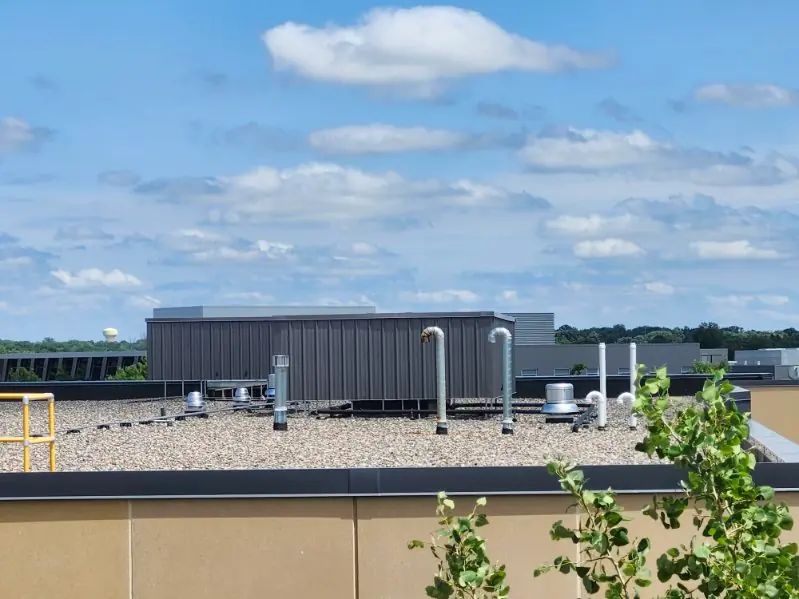
Steel screen wall on a commercial roof concealing packaged HVAC equipment from street view
Custom steel screening is a common path when NYC zoning requires rooftop mechanical equipment to be hidden on all sides.

Quick read: NYC rooftop screening requirements in 2024

New York City has used rooftop screening rules for years. On December 5, 2024, the city issued a major amendment. The rules now apply across every zoning district. If you have an RTU, condenser, cooling tower, or similar gear on the roof, you should assume screening is on the table unless a clear exemption fits your facts.

At a glance

New York City updated rooftop equipment screening on December 5, 2024. The rules now cover all zoning districts. Most outdoor mechanical and energy gear on a roof needs a screen unless the law lists an exemption. Below we explain what changed, what must be screened, how screens are built, and what to do before you file.

  1. What changed on December 5, 2024
  2. What equipment needs screening
  3. How NYC requires screens to be built
  4. Older buildings and existing equipment
  5. Who enforces NYC RTU screen rules
  6. What you should do now
  7. FAQ

Next steps: read the RTU screening requirements hub, compare RTU screen materials, then review our screening services or request a quote.

What changed on December 5, 2024

New York City amended the Zoning Resolution to add the Special Rooftop Screening and Enclosure Regulations. The amendment appears in Section 26-52 for residential districts and Section 37-22 for commercial and manufacturing districts. You can read the official §26-52 text and the official §37-22 text on the Department of City Planning site.

Energy infrastructure equipment (EIE) is city wording for items like battery storage and related energy hardware. Accessory mechanical equipment is support gear tied to building systems. Both categories matter when you decide if screening applies.

What equipment needs screening in New York City

Think in simple terms. If the item sits on the roof, is not fully inside the building, and is not on the exemption list, plan for screening. The list below tracks common rooftop items our clients ask about.

Usually must be screened when exposed on the roof:

Usually does not need screening under these zoning rules:

According to DOB Buildings Bulletin 2025-013 (PDF), a factory casing on a unit does not count as the required screen. Even when the manufacturer ships a cover, you still need a separate screen wall that meets the rules.

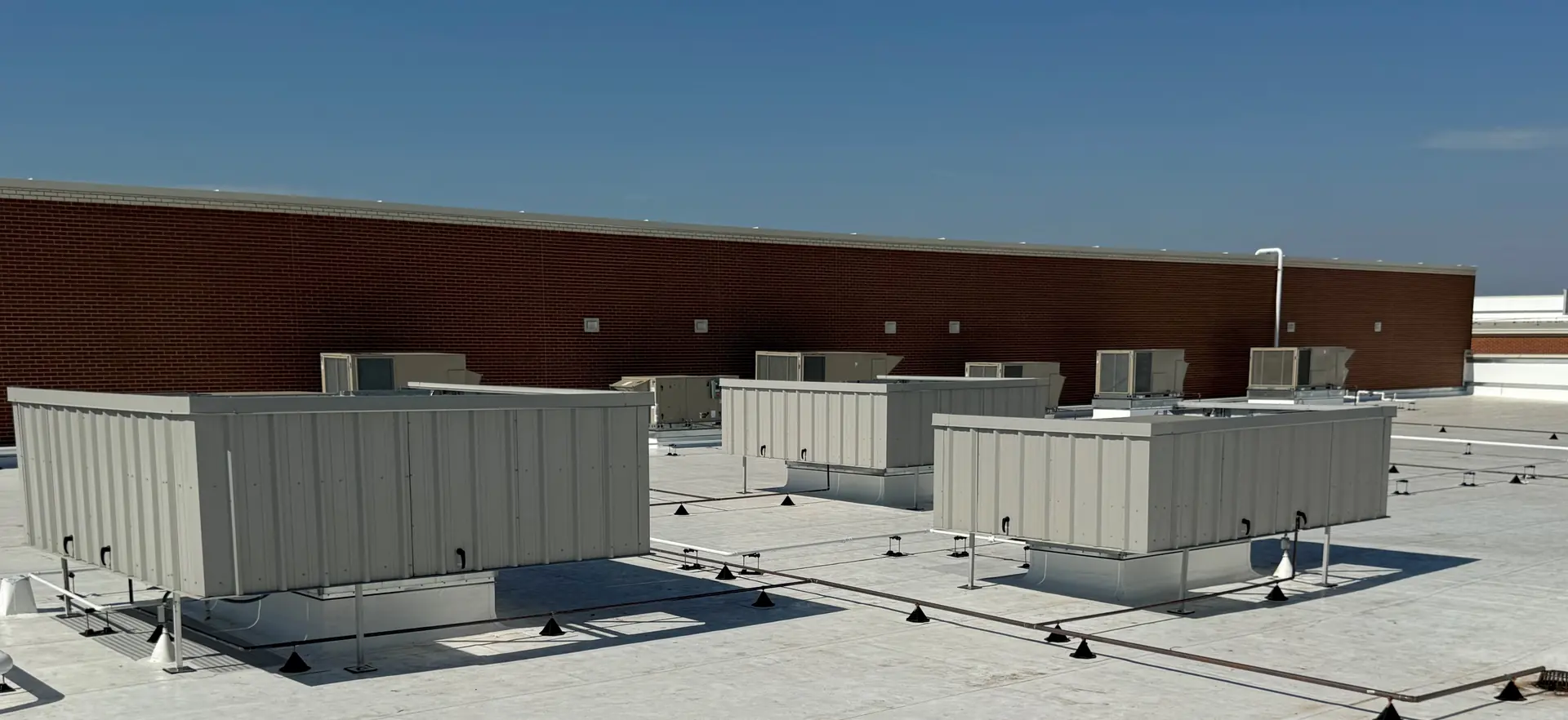
Low-rise commercial roof showing mechanical equipment arranged for screening from public view
Rooftop layouts in NYC often group equipment so screen walls can wrap all sides while preserving service access.

How NYC rooftop screening must be built

NYC RTU screen rules are strict about coverage and materials. The points below are a practical checklist for early design meetings.

When you pick materials, many teams choose steel RTU screens for durability, powder coat finishes, and familiar details for plan examiners. Your engineer still sets free area if you use perforated panels.

Older buildings and existing rooftop equipment

Existing buildings get a narrow break, but it is easy to misunderstand.

Limited exemption: Equipment lawfully installed on or before December 5, 2024 may be exempt if it does not rise above the rooftop parapet and does not rise more than 6 feet above roof level. Even then, equipment that already required screening under older rules must still be screened on all sides.

Replacements: New equipment must meet current screening rules unless the swap is in-kind (same footprint and same height) and the old unit was in place before December 6, 2023. If you upgrade size, height, or capacity, treat the job as a fresh compliance review.

NYC rules change and staff interpretations evolve. Confirm every assumption with your authority having jurisdiction before you buy material or lock a layout.
Who enforces NYC rooftop screening rules

The NYC Department of Buildings enforces zoning compliance. Screening shows up during plan review for new work and for many permit filings on existing buildings. If the screen is wrong or missing, you risk plan rejection, fines, stop-work orders, or problems reaching a Certificate of Occupancy. Show screening on plans and in specs so examiners can sign off without guesswork.

We fabricate custom steel RTU screens for buildings across New York City. We help teams size and spec walls that meet NYC zoning expectations and coordinate with broader code review. Request a quote and we will take it from there, or start on our New York City RTU screens page.

Request a quoteCall (855) 659-1584

What you should do now

  1. Walk the roof. Flag any uncovered mechanical or energy equipment.
  2. Check whether a permit filed after December 5, 2024 touches the rooftop, or whether upcoming work will trigger review.
  3. Ask your architect or filing rep whether your equipment needs screening under the current rules.
  4. Line up pricing for custom steel RTU screens before examiners comment on concealment.

NYC rooftop screening requirements FAQ

Yes. The December 2024 amendment applies citywide across zoning districts. Your district still matters for height, setback, and obstruction limits, so drawings must be site specific.

No. Department guidance in Buildings Bulletin 2025-013 states that equipment casings are not the required screen. Plan for a separate screen wall that meets open-area and opacity rules.

Yes, when the open portion of the face is 50% or less and the material is not chain link or transparent paneling. Mechanical engineers should still confirm airflow and manufacturer clearances.

Note on use of this page

This article supports early planning only. Codes, bulletins, and staff interpretations change. Confirm every compliance decision with the NYC Department of Buildings, your licensed design team, and your code consultant before you fabricate or install.

Need shop drawings and fabricated walls for an NYC rooftop? Contact ClearView Screens for a commercial RTU screen quote.

Get a quote Call (855) 659-1584